How Environmental Test Chambers Help Indian Manufacturers Meet Global Standards (2026 Guide)
Introduction
As Indian manufacturers expand into global markets, meeting international quality and safety standards has become non-negotiable. From automotive exports to electronics and defence production, environmental test chamber in India play a crucial role in validating product reliability under real-world conditions.
This blog explains how environmental test chambers help Indian companies comply with global standards, making it a valuable reference for OEMs, exporters, R&D teams, and quality engineers.
What Are Global Testing Standards & Why They Matter
International buyers demand compliance with strict testing norms to ensure safety, durability, and performance.
Common global standards include:
ISO (International Organization for Standardization)
IEC (International Electrotechnical Commission)
ASTM Standards
MIL-STD (Military Standards)
JEDEC (Electronics Testing)
Failure to meet these standards can result in:
Export rejection
Product recalls
Legal and financial risks
Brand reputation damage
Role of Environmental Test Chambers in Compliance
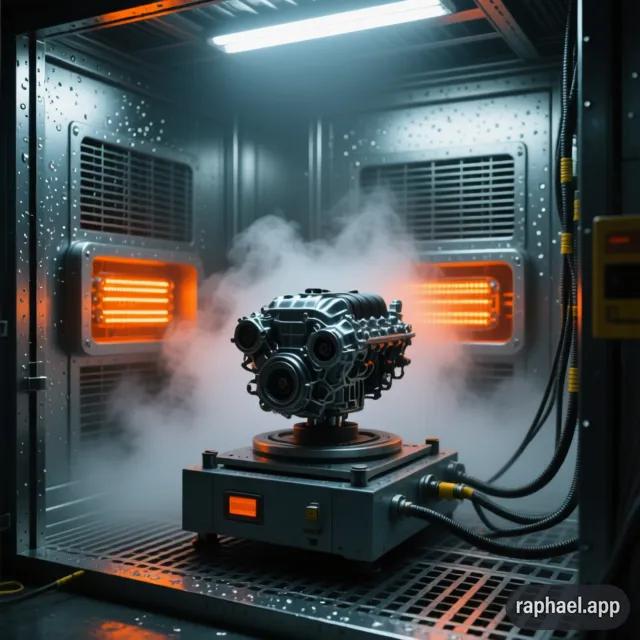
Environmental test chambers simulate extreme environmental conditions to verify whether products meet regulatory benchmarks.
They help manufacturers test:
Temperature endurance
Humidity resistance
Thermal cycling performance
Corrosion behavior
Long-term durability
By replicating years of environmental exposure within days or weeks, chambers ensure faster certification and reduced failure risk.
Key Industries in India Using Environmental Test Chambers
Automotive & EV Manufacturing
Battery thermal testing
Power electronics validation
Component life-cycle testing
Electronics & Electrical Equipment
PCB reliability testing
Consumer electronics stress testing
Semiconductor qualification
Aerospace & Defence
High-altitude simulation
Extreme temperature endurance
Mission-critical equipment testing
Pharmaceuticals & Medical Devices
Stability testing
Storage condition validation
Renewable Energy
Solar module weather resistance
Inverter and controller testing
Types of Environmental Tests Required for Exports
Temperature Cycling Tests
Ensures materials withstand repeated expansion and contraction.
Humidity & Damp Heat Tests
Validates resistance to moisture-related failures.
Thermal Shock Tests
Identifies sudden stress failures caused by rapid temperature change.
Accelerated Life Testing
Simulates years of product use in a shorter timeframe.
Why Indian Manufacturers Are Investing More in Environmental Testing
Key drivers include:
Growth of Make in India initiatives
Increase in EV and electronics exports
Rising quality expectations from global OEMs
Stricter safety and compliance regulations
Demand for reliable, long-life products
Environmental testing is now seen as a strategic investment, not just a quality check.
Choosing the Right Environmental Test Chamber for Compliance
To meet global standards, manufacturers should evaluate:
Standard Compatibility – ISO, IEC, ASTM, MIL
Precision & Repeatability
Data Logging & Reporting Features
Energy Efficiency
Customization Capability
After-Sales Service in India
Reliable local support is critical for audits and certifications.
Environmental Test Chamber Market Outlook in India
By 2026 and beyond, the Indian environmental testing market is expected to grow due to:
EV battery manufacturing expansion
Semiconductor ecosystem development
Defence indigenisation programs
Export-focused production facilities
Manufacturers with in-house testing capabilities gain speed-to-market and cost advantages.
Final Thoughts
Environmental test chambers are essential tools for Indian manufacturers aiming to compete globally. They ensure compliance, reliability, and trust, helping products pass international audits and perform flawlessly in real-world conditions.


Write a comment ...