Introduction
As Indian manufacturing aligns with global quality benchmarks, testing products only at room conditions is no longer enough. From extreme heat in deserts to high humidity in coastal regions, products in India face diverse environmental challenges. Environmental test chamber in India help manufacturers predict real-world performance, making them an essential part of modern quality assurance.
Understanding Environmental Testing
Environmental testing evaluates how products and materials behave when exposed to controlled environmental stresses. These tests help identify design flaws, material weaknesses, and performance limitations early in the product lifecycle—before costly market failures occur.
Key Environmental Conditions Simulated
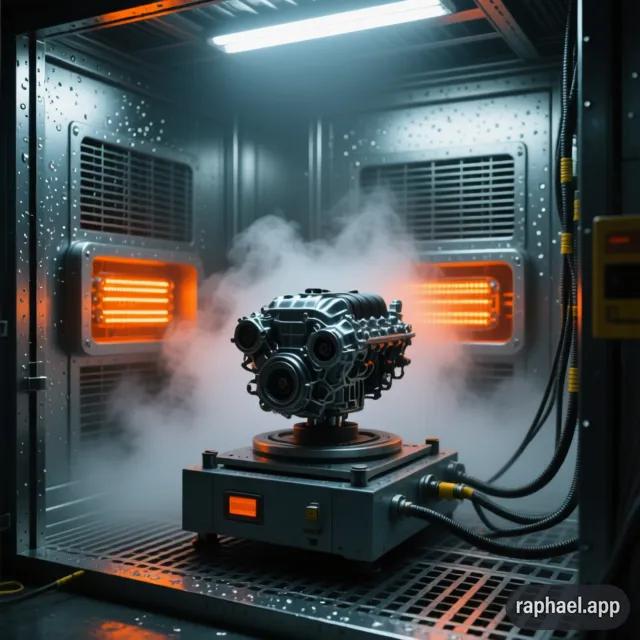
Environmental test chambers used in India are capable of simulating:
High and low temperature cycles
Relative humidity and condensation
Temperature–humidity combined stress
Rapid thermal transitions
Long-duration aging conditions
These simulations help ensure consistent product performance across varying climates.
Why Environmental Test Chambers Matter in the Indian Market
India’s geographical diversity and expanding export base make environmental testing especially important. Products manufactured in India are now shipped worldwide, requiring compliance with international reliability standards.
Key drivers include:
Expansion of electronics and EV manufacturing
Government initiatives like Make in India
Rising expectations for product durability
Increased focus on quality audits and certifications
Applications Across Major Indian Industries
Electronics Manufacturing
Ensures circuit boards, connectors, and enclosures withstand heat and moisture.
Automotive & EV Sector
Validates batteries, wiring harnesses, sensors, and interior components.
Pharma & Healthcare
Supports stability testing for drugs and medical equipment.
Aerospace & Defence
Simulates extreme operational environments for critical systems.
Energy & Infrastructure
Tests solar modules, control panels, and outdoor equipment.
Features to Look for in Modern Environmental Test Chambers
Wide operating temperature and humidity range
Uniform airflow and precise control accuracy
Programmable test profiles
Real-time monitoring and data logging
Safety alarms and energy-efficient operation
Selecting advanced systems helps achieve reliable and repeatable test results.
Compliance and Testing Standards
Environmental test chambers in India are commonly designed to meet standards such as:
IEC and ISO testing protocols
ASTM testing requirements
MIL-STD environmental testing norms
Compliance ensures acceptance across domestic and international markets.
The Road Ahead: Smart Testing Solutions
The future of environmental testing in India lies in automation and digital integration. Smart chambers with cloud connectivity, predictive diagnostics, and remote access are becoming the new norm—helping manufacturers save time, energy, and operational costs.
Final Thoughts
Environmental test chambers are no longer just testing equipment—they are strategic tools that protect brand reputation and ensure customer satisfaction. For Indian manufacturers aiming for long-term success, investing in reliable environmental testing infrastructure is a decisive step forward.


Write a comment ...