As Indian industries move toward global markets, product validation has become a critical step in manufacturing. Environmental test chambers help companies simulate real-world conditions and verify product durability, safety, and compliance. Today, the adoption of environmental test chambers in India is growing rapidly across both private and government sectors.
Understanding Environmental Test Chambers
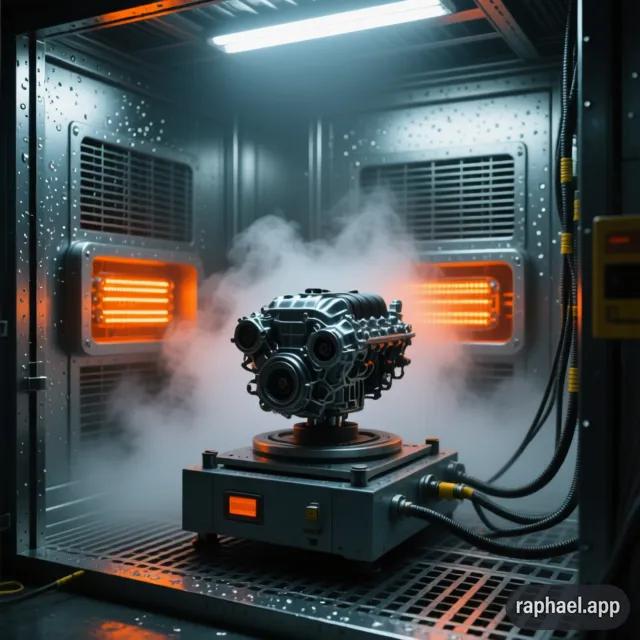
Environmental test chambers are advanced testing systems used to replicate extreme environmental conditions such as high and low temperatures, humidity variations, salt fog, and rapid thermal changes. These chambers allow manufacturers to study how products behave over time when exposed to harsh operating environments.
Why Environmental Testing Is Essential in India
India’s diverse climate—ranging from high humidity coastal regions to extreme heat and cold—makes environmental testing especially important. Products designed without proper testing often fail prematurely, leading to recalls, safety risks, and financial losses. Environmental test chambers help mitigate these risks before products reach customers.
Applications Across Indian Industries
Environmental test chambers are widely implemented in:
Automotive and Auto Components – Durability and corrosion testing
Electrical and Electronics – Reliability testing of components and assemblies
Medical Devices – Compliance with safety and stability regulations
Defense and Space Research – Performance testing under extreme conditions
Telecommunications – Testing equipment for temperature and humidity tolerance
Common Environmental Test Chamber Types
In India, manufacturers and testing facilities typically deploy:
Temperature and humidity chambers
Thermal cycling chambers
Salt spray and corrosion test chambers
Altitude and vacuum chambers
Walk-in environmental chambers for large products
Each type supports compliance with national and international testing standards.
Key Advantages of Environmental Test Chambers
Using environmental test chambers helps organizations:
Improve product quality and reliability
Reduce warranty claims and field failures
Meet ISO, BIS, IEC, and ASTM standards
Accelerate product development cycles
Build trust with global clients
Choosing the Right Environmental Test Chamber in India
When selecting an environmental test chamber, businesses should consider:
Testing standards and certification requirements
Chamber size and temperature range
Accuracy and control systems
Energy efficiency and operational cost
Local service support and calibration availability
Future of Environmental Testing in India
With the growth of EVs, renewable energy, and electronics manufacturing, the future of environmental test chambers in India looks promising. Automation, data logging, and IoT-enabled monitoring are becoming standard features, allowing companies to achieve higher testing accuracy and traceability.
Conclusion
Environmental test chambers are no longer optional for Indian manufacturers aiming for long-term success. They play a vital role in product development, compliance, and customer satisfaction. Investing in the right environmental testing solution ensures reliability, safety, and global competitiveness.


Write a comment ...